
Types of Kitchen Countertops

Choosing a kitchen countertop is arguably the single most impactful decision in a kitchen remodel. More than just a functional work surface, the countertop defines the room's aesthetic, handles daily abuse, and significantly influences the home’s resale value. The marketplace today offers an overwhelming array of choices, spanning natural stone, engineered compounds, and sustainable synthetics, each with its own delicate balance of durability, maintenance, and cost.
To make an informed choice, a homeowner must move beyond simply judging a material's appearance and delve into the technical specifications that govern its longevity and suitability for their lifestyle. This comprehensive guide provides an in-depth analysis of the most popular and emerging countertop types, comparing the key metrics that matter most: durability, maintenance, price, and current design trends.

A kitchen countertop is a 20-to-50-year investment. Rather than chasing fleeting trends, homeowners are best served by prioritizing the material that best matches their culinary habits, ensuring their kitchen remains both a beautiful centerpiece and a highly functional workspace for decades to come.
I. Engineered Stone: The Modern Workhorse
Engineered countertops have become the dominant force in the market, led by their superior performance characteristics and design versatility.
1. Quartz (Engineered Stone)
Quartz countertops are manufactured from a mixture of approximately 90-95% ground natural quartz (one of Earth’s hardest minerals) and 5-10% polymer resins and pigments. This engineering process creates a product with unparalleled consistency and non-porous properties.
Durability and Performance: Quartz is exceptionally hard, highly resistant to scratches, chips, and stains, and does not harbor bacteria. Critically, it is non-porous, meaning it never requires sealing, making it the lowest-maintenance option among stone-look materials.
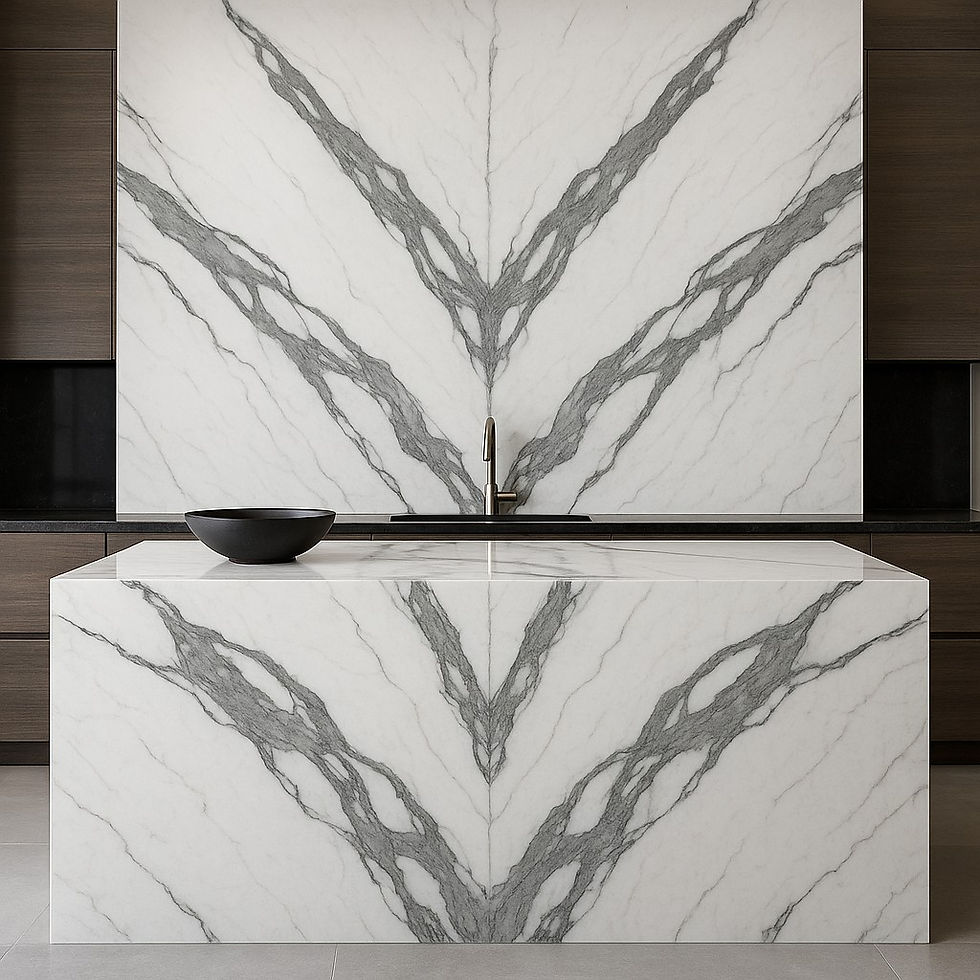
Aesthetics and Trends: In 2025, quartz remains a top choice, evolving beyond uniform speckles to perfectly mimic the dramatic veining of natural marble (Calacatta-look) and even concrete or leather textures. It is versatile enough to be used for full-height backsplashes and seamless integrated sinks.
Cost and Caution: Quartz is considered a premium material, generally priced between $100 and $150+ per square foot installed. Its primary weakness is a sensitivity to high, sustained heat. Direct contact with hot pots can scorch or yellow the resin binder, causing permanent damage.
II. Natural Stone Classics: Beauty and Heritage
Natural stones offer unique, unrepeatable patterns and a luxurious, organic feel that no engineered product can fully replicate.

2. Granite
For decades, granite was the gold standard of kitchen luxury. As an igneous rock, it is incredibly hard and dense, offering a classic aesthetic.
Durability and Performance: Granite is highly durable, boasting excellent heat and scratch resistance—often superior to quartz in this regard. It is tough enough to withstand a busy cooking environment.
Aesthetics and Upkeep: Every granite slab is one-of-a-kind. However, it is a porous stone. To maintain its stain resistance and hygiene, it requires regular sealing (typically every 3–5 years). Its popularity is shifting slightly, with homeowners now preferring the subtle, honed finishes over the heavily polished, speckled look of past decades.
Cost: Pricing is variable based on the slab's origin and rarity, ranging from $40 for entry-level slabs up to $200 per square foot for exotic varieties.
3. Marble
Synonymous with luxury, marble (most notably Carrara and Calacatta) offers a distinctive, elegant beauty cherished by bakers for its naturally cool surface.
Durability and Performance: Marble is durable and heat-resistant, but it is a softer stone than granite and quartzite. It is susceptible to scratching and chipping, and its biggest functional drawback is etching. Acidic foods (lemon juice, vinegar, tomatoes) will chemically react with the calcium carbonate in the marble, dulling the polished finish and leaving permanent, visible marks.
Upkeep: Like granite, marble is porous and must be sealed frequently. Many marble owners accept the inevitable nicks and etches as a patina that tells the story of the kitchen—a characteristic that contributes to its timeless appeal.
Cost: Marble is one of the most expensive options, typically in the $40 to $140+ per square foot range, but investment-grade slabs can be much higher.
4. Quartzite (Natural Stone)
Often confused with the engineered quartz product, natural quartzite is a metamorphic rock formed from sandstone under intense heat and pressure.
Durability and Performance: Quartzite is an increasingly popular choice because it offers the look of marble but with the durability of granite. It is extremely hard, scratch-resistant, and heat-resistant. This makes it an ideal option for those wanting the classic white and gray veining without the maintenance headache of true marble.
Upkeep: While significantly more durable than marble, natural quartzite is still technically porous and requires periodic sealing to ensure full stain resistance.
Trends: Its rise is a key trend in 2025, specifically the "leathered" or "honed" (matte) finishes, which soften the stone's appearance and better hide fingerprints.
5. Soapstone
An old-world favorite, soapstone (steatite) is prized for its soft, warm feel and unique functional properties.
Durability and Performance: Soapstone is a non-porous, highly dense natural stone. It is impervious to heat and completely stain-resistant, and does not require sealing. This makes it an excellent surface for serious cooks.
Aesthetics and Upkeep: It starts as a soft gray and gradually darkens into a deep, rich charcoal or black over time, developing a unique patina. While scratch-resistant to stains, it is a softer material (high talc content) and can be easily scratched or nicked. However, these marks are simple to repair: a light sanding and application of mineral oil can buff them right out.
Style: Soapstone is a major component of the dark and moody kitchen trend for 2025, often featuring dramatic, light veining for contrast.
III. Value and Synthetic Materials: Budget-Friendly and Versatile
These materials provide excellent functional alternatives for specific needs, budgets, or highly customized applications.
6. Laminate (Plastic Laminate)
Laminate countertops are constructed from plastic laminate sheets bonded to a particleboard core.
Cost and Ease: Laminate is, by far, the most budget-friendly option, averaging a mere $20 to $50 per square foot. It is lightweight, easy to install (often DIY-friendly), and available in an unlimited range of colors and patterns that convincingly mimic natural stone and wood.
Durability and Cons: While stain-resistant and easy to clean, its core is susceptible to water damage and swelling if the surface is breached. Laminate is not heat-resistant; hot pots can instantly melt or bubble the plastic surface. It has a shorter lifespan than stone options and may show visible seams.
7. Solid Surface (Acrylic/Polyester Composites)
Solid surface materials, such as Corian, are a blend of acrylic or polyester resins and minerals, offering a mid-range, seamless look.
Seamless Design: The standout feature is the ability to create seamless installations, including integrated sinks and backsplashes, giving the counter a sleek, monolithic appearance. They are non-porous, stain-resistant, and do not require sealing.
Durability and Cons: They are softer than stone, making them vulnerable to scratches and cuts, but are often easy to repair by sanding out the damage. Like quartz and laminate, they are sensitive to high heat and can scorch easily.
Cost: Solid surface is a great mid-range value, generally priced between $75 and $120 per square foot.
8. Butcher Block (Wood)
Wood countertops are a classic, eco-friendly choice that introduces warmth and a natural texture into a kitchen. They are constructed from strips of wood (maple, walnut, cherry) bonded together.
Functionality: Wood is the only material where cutting can be safely performed directly on the surface (if properly sealed). It is naturally resilient, sound-dampening, and can be sanded and refinished to restore its appearance after years of use.
Maintenance: Wood requires consistent maintenance, including monthly oiling (for food-safe finishes) or regular sealing to protect against water damage, stains, and warping.
Trends: Butcher block is commonly used as a mixed-material element, often incorporated into a kitchen island while the perimeter uses a stone material like quartz or granite.
9. Porcelain and Sintered Stone (Ultra-Compact Surfaces)
These are the newcomers to the ultra-high-performance category, made from highly refined minerals pressed under extreme heat and pressure. Brands like Dekton, Neolith, and large-format porcelain slabs fall into this category.
Extreme Durability: These materials are exceptionally hard, virtually non-porous, and offer some of the highest resistance to heat, UV light, scratches, and chemicals available.
Aesthetics and Cost: They can perfectly mimic any natural stone look, often with continuous veining that goes beyond what typical quartz can offer. However, they are generally high-end and can be difficult and expensive to fabricate and install due to their rigidity.
IV. 2026 Kitchen Countertop Trends and Innovations
Current trends reflect a shift toward highly personalized, functional, and textured spaces:
Textured Finishes: The reign of the glossy surface is fading. Homeowners increasingly choose honed (matte), leathered (subtle texture), or volcano finishes, which offer a softer, organic look and are better at hiding smudges and water spots.
Dramatic Veining: Surfaces with bold, high-contrast veining (black on white, gold on gray) are immensely popular, turning the kitchen island into a statement piece.
Integrated Functionality: Innovation is merging technology and design. Popular features include seamless integrated sinks (made of the same material as the counter), integrated wireless charging zones embedded into the stone, and induction cooktops that are flush with the countertop surface.
Sustainability: Materials made from recycled glass, paper composite, or quartz with post-consumer recycled content are gaining traction as homeowners prioritize eco-friendly and sustainably sourced products.


Comments