
the Costs of Porcelain Tile

Porcelain tile is a popular choice for many homeowners. Its durability and aesthetic appeal make it a top contender for flooring. But understanding the costs involved can be challenging.
The price of porcelain tile varies widely. Factors like quality, design, and brand play significant roles. On average, you might spend between $3 and $10 per square foot.
High-end options can exceed $15 per square foot. Installation costs add another layer of complexity. These typically range from $5 to $10 per square foot.
Several factors influence installation costs. Room size, layout complexity, and local labor rates are key considerations. Additional expenses may include underlayment, grout, and sealant.
DIY installation can save money but requires skill. Professional installation ensures quality and longevity. Porcelain tile is a long-term investment that can increase property value.
This guide will help you navigate the costs of porcelain tile. From material prices to installation expenses, we cover it all. Whether you're a homeowner or a contractor, understanding these costs is crucial.

What Is Porcelain Tile? An Overview
Porcelain tile is a type of ceramic tile. It's made from a refined clay fired at high temperatures. This process results in a dense and durable material.
The benefits of porcelain tile are numerous. It is known for its water resistance and impressive strength. Additionally, it often features a full-body composition, meaning its color runs through the entire tile.
Porcelain tile is available in a variety of styles. Here are some popular options:
Wood-look porcelain tiles: Imitate the warmth of wood.
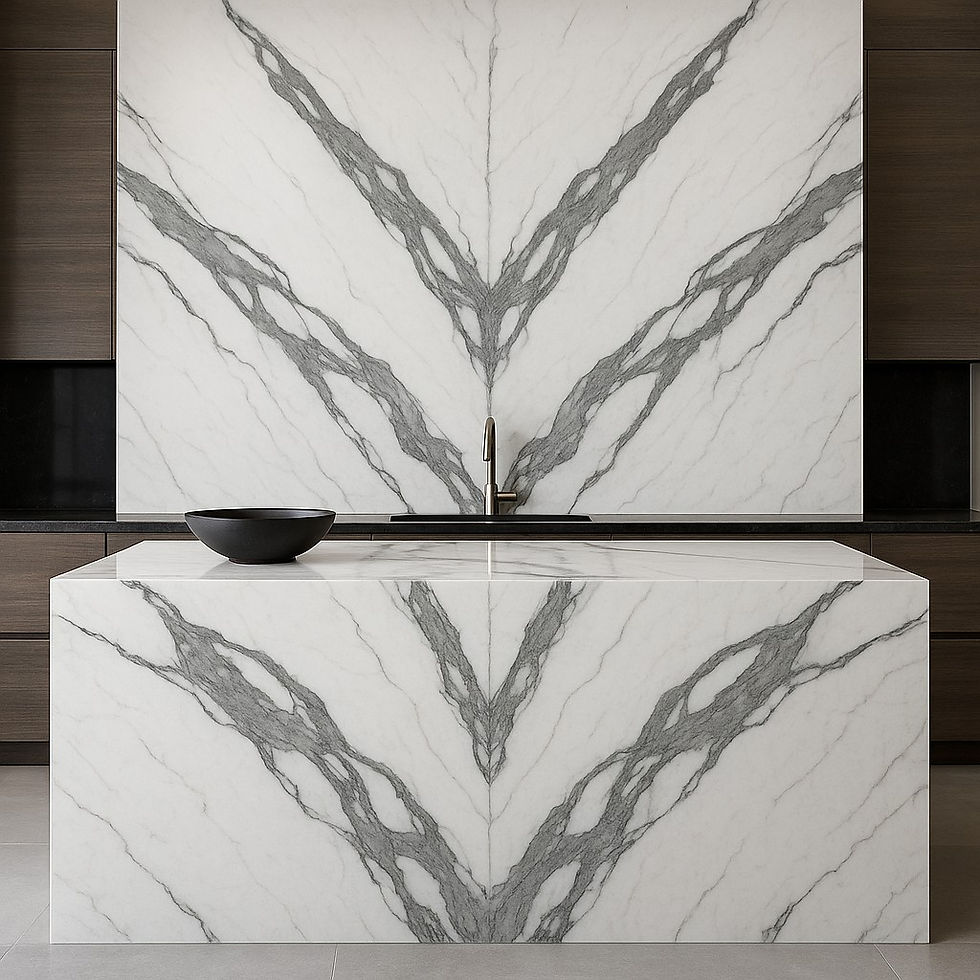
Stone-look porcelain tiles: Offer the elegance of natural stone.
Patterned designs: Add a unique touch to any space.
These styles make it a versatile choice for many interiors. Its durability makes it ideal for high-traffic areas. Whether in kitchens, bathrooms, or living rooms, porcelain tile enhances the aesthetic appeal of any space. Its lasting quality is a smart choice for flooring, adding both beauty and functionality to a home.
Porcelain Tile Cost: Price Ranges and What to Expect
Porcelain tile prices can vary widely. On average, expect to pay between $3 and $10 per square foot. These costs depend on the quality, design, and brand chosen.
High-end porcelain tiles are more expensive. They can cost upwards of $15 per square foot. Such tiles often feature intricate designs or imported materials, adding to their allure and price.
Basic porcelain tile options typically fall on the lower end of the price spectrum. These are ideal for homeowners on a budget. However, they still provide the durability and aesthetic appeal porcelain is known for.
Several factors influence the cost of porcelain tile. Here's what to consider:
Quality: Higher quality often means higher prices.
Design: Unique patterns and finishes increase costs.
Brand: Established brands may charge more.
Price is just one aspect of choosing a tile. It's also important to consider its lifespan and maintenance needs. Porcelain tile offers long-term value with proper care.
Besides the tile itself, additional materials may impact the cost. Consider expenses for:
Underlayment: Helps smooth the surface for installation.
Grout and sealant: Essential for finishing and protecting the tiles.
All these factors contribute to the overall project cost. Therefore, planning and budgeting upfront can help control expenses. By considering these different components, homeowners can make informed decisions about their investment in porcelain tile. Ultimately, understanding the cost elements ensures clearer expectations and satisfaction with the final results.

Factors That Influence Porcelain Tile Cost
Several elements determine the cost of porcelain tile. These factors go beyond just the material itself. Understanding them helps in effective budgeting and decision-making.
One primary factor is the quality of the tile. Higher-quality tiles are more durable but also more expensive. This increased durability can justify the higher initial cost over time.
The design and style of the tile can also affect pricing. Intricate patterns or special finishes often come with a premium. Unique designs add aesthetic value, which influences their cost.
The brand of the tile is another consideration. Some brands are well-known for their exceptional quality and reputation. Opting for these brands may raise the overall expense.
There are additional factors that impact costs, including:
Size of the tile: Larger tiles can be more costly.
Thickness: Thicker tiles often provide better durability but cost more.
Color and texture: Rare colors or textures might incur additional charges.
The geographical location of purchase and installation plays a role, too. Regions with higher living costs may see increased tile and labor expenses. Conversely, some areas may offer more competitive pricing.
Finally, any custom orders or imported tiles can significantly elevate costs. Custom tiles provide a unique look but require more investment. The shipping and handling of these tiles add to the overall expense.
Considering these factors can help homeowners make an informed choice. Each of these elements contributes to the comprehensive cost of porcelain tiles.
Porcelain Tile Flooring Installation Cost Breakdown
Understanding the installation cost of porcelain tile is crucial. This component can be as significant as the material itself. Installation involves various elements that should be accounted for.
Labor costs form a substantial part of the installation expense. Rates often range from $5 to $10 per square foot. These rates vary depending on the region and the complexity of the job.
The size and layout of the room can also impact installation costs. More complex layouts or larger areas may require additional time and effort. This increased complexity can lead to higher labor fees.
Preparation of the subfloor is another cost to consider. Subfloor conditions need to be suitable for tile installation. Leveling or repairing the subfloor may incur additional charges.
The installation process also includes various materials:
Adhesives and grouts: Essential for securing tiles.
Underlayment: Provides stability and moisture barriers.
Sealants: Used for finishing touches to protect the tile.
Additional expenses may come from:
Removal of old flooring: Necessary before new tiles are laid.
Tools and equipment rental: In cases where professional resources are not used.
Some installations might also involve special design patterns or layouts. These designs can increase both time and materials needed. Consequently, they lead to higher installation costs.
It's essential to get detailed estimates from contractors. These estimates should cover all potential costs involved in the project. Verifying what's included in the quote can prevent unexpected expenses later.
Overall, the installation cost is a significant part of the total project budget. By breaking down these expenses, one can better plan financially for a porcelain tile flooring project. Preparing ahead can help manage costs effectively while achieving the desired results.
Porcelain Tile vs. Ceramic Tile Cost Comparison
Choosing between porcelain and ceramic tiles involves considering both costs and benefits. Each type has its unique characteristics that influence pricing. Understanding these can guide homeowners in making informed decisions.
Porcelain tiles are renowned for their durability and water resistance. These tiles are generally more expensive than ceramic options. On average, porcelain tiles can cost from $3 to $10 per square foot, whereas ceramic tiles range from $1 to $7.
Despite being cheaper, ceramic tiles offer many design options. They are easier to cut and install, which reduces labor costs. However, they may not last as long in high-traffic areas or damp environments.
Here’s a quick comparison of the two:
Porcelain Tile Cost:
Higher initial cost
More durable
Better for moisture-prone areas
Ceramic Tile Cost:
Lower initial cost
Easier to install
Suitable for low to moderate use areas
Ultimately, the decision hinges on the specific needs of the project. While porcelain tiles offer long-term advantages, ceramic tiles provide a budget-friendly alternative. Each choice affects the style, durability, and overall expense of the flooring project. Balancing immediate costs with long-term benefits can lead to the best selection.
Additional Costs to Consider With Porcelain Tile
When planning a porcelain tile project, it's essential to account for supplementary costs. These can significantly impact your budget beyond the initial material and installation expenses. Recognizing these costs ensures you are fully prepared.
One often overlooked expense is preparing the flooring surface. This may involve removing old flooring materials, which can be labor-intensive and costly. Additionally, some subfloors may require leveling or patching to ensure a smooth installation.
Here's a list of potential additional costs:
Old flooring removal
Underlayment and leveling compounds
Grout and sealant materials
Delivery fees for large orders
The choice of grout and sealant also adds to your overall costs. Quality materials improve durability and appearance but may come at a higher price. Delivery charges, especially for bulk orders or custom tiles, could add an unexpected expense.
Considering these additional costs in your budget can prevent unwelcome surprises. Investing in proper preparation and high-quality materials ensures longevity and satisfaction with your porcelain tile flooring. These factors collectively contribute to a successful project and beautiful results.
DIY vs. Professional Tile Installation: Cost and Considerations
Deciding between DIY and professional tile installation involves weighing both costs and skills. Each approach has distinct advantages and challenges, impacting the final outcome and budget.
DIY installation might save on labor expenses, but it demands time and precision. Those with experience in tiling may find it an attractive option, while novices could face difficulties. Mistakes in this complex process can lead to costly repairs down the line.
Professional installation offers expertise and efficiency, ensuring a flawless finish. Though it adds to the overall price, the long-term benefits often justify the extra expense.
Here's a quick comparison of these two approaches:
DIY Installation
Lower labor costs
Requires time and skill
Risk of installation errors
Professional Installation
Higher initial cost
Expert finish and faster completion
Reduces the chance of future repairs
Ultimately, the choice depends on your skill level, budget, and project complexity. A professional touch might be worth the peace of mind and quality assurance. Whether pursuing a DIY path or hiring experts, consider your confidence and resources when deciding.
How to Save on Porcelain Tile and Installation Costs
Budget-conscious homeowners can find creative ways to save money on porcelain tile and installation expenses. Planning and strategic purchasing can substantially reduce overall costs without compromising quality or style.
First, explore different suppliers and take advantage of sales and discounts. Retailers often offer lower prices during off-peak seasons or for bulk purchases. Comparing prices from various sellers can also lead to significant savings.
Another tip is to opt for simpler designs that are easier to install. Complex patterns may increase installation time and cost due to their intricate nature. Choosing standard sizes and basic styles can still provide a sophisticated look while minimizing expenses.
Cost-Saving Tips for Materials
Purchase tiles during promotions or sales
Buy in bulk for discounts
Choose more affordable standard tile sizes
Installation Savings Strategies
Select simpler designs to reduce labor
Consult multiple contractors for competitive quotes
Look for seasonal discounts on installation services
Implementing these strategies allows you to achieve beautiful and durable porcelain tile flooring. By staying informed and flexible, you can enjoy high-quality results that match your budget.
Frequently Asked Questions About Porcelain Tile Cost
Porcelain tile costs can vary, leading many to ask what influences these differences. Common queries often focus on installation, material choices, and budget options.
Key questions include whether professional installation is worth the expense and what the typical costs of materials are. These concerns reflect the desire for a balance between cost and quality.
Common Questions About Tile CostsWhat are the average prices per square foot?
How much should I budget for professional installation?
Are there significant savings with DIY installation?
How do material choices affect overall expense?
Can I expect any hidden costs during the project?
Understanding these aspects helps homeowners make informed decisions to achieve their ideal flooring. With the right information, planning becomes simpler and more effective.
Conclusion: Is Porcelain Tile Worth the Investment?
Porcelain tile presents a compelling choice for both aesthetics and durability. Its benefits are particularly notable for high-traffic areas in the home.
When considering its long lifespan and low maintenance, porcelain tile is a smart long-term investment. Despite higher initial costs compared to alternatives, its resilience and beauty can enhance property value. Homeowners seeking quality and style may find porcelain tile to be a worthwhile consideration. Whether for kitchens, bathrooms, or living spaces, it offers enduring appeal and functionality.


Comments